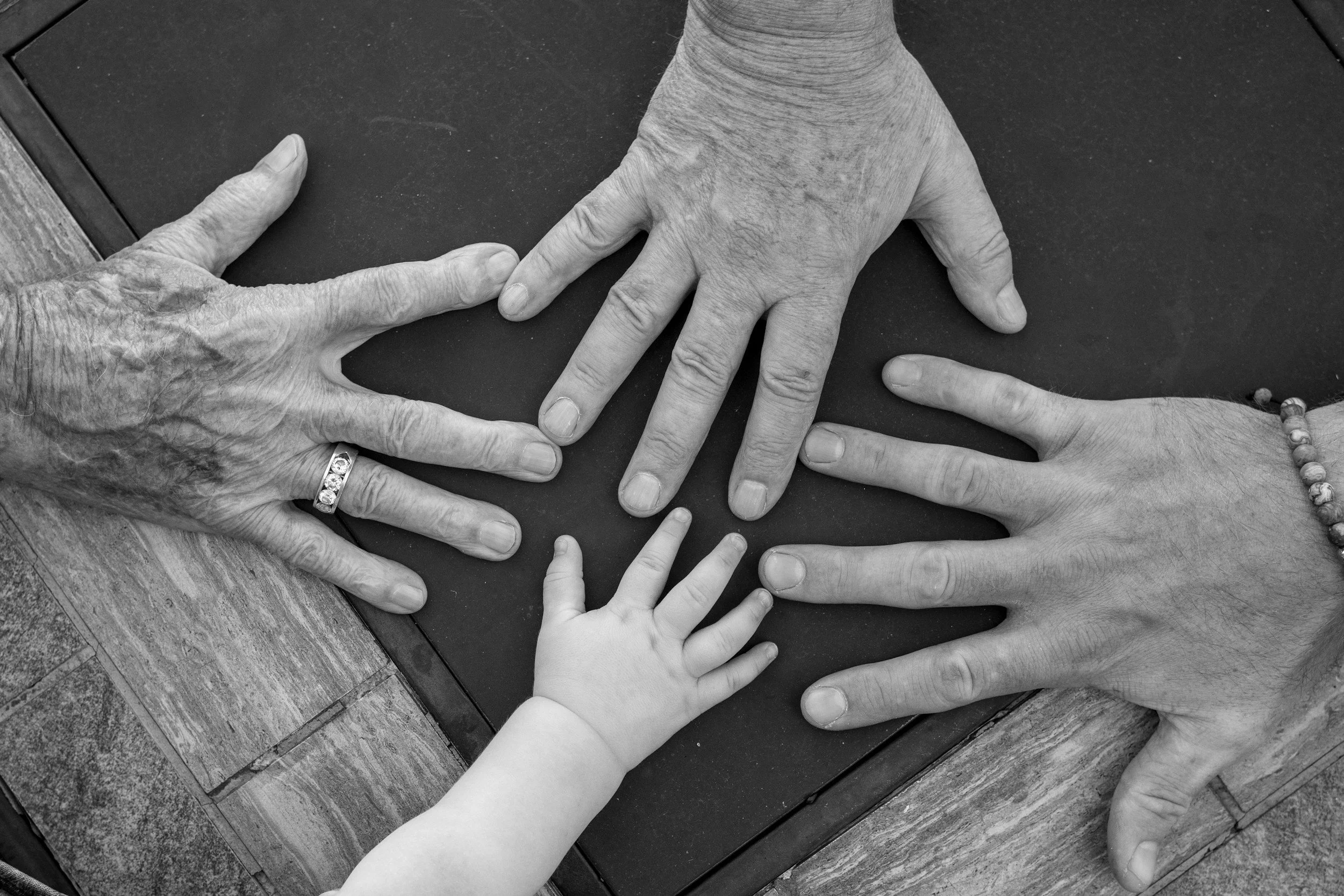
As we come to the final characteristic in our initial exploration of the Adult stage of discipleship, we arrive at a quality that brings many of the previous characteristics together: living for eternal impact and finishing well.
The Apostle Paul, as he approaches the end of his ministry and his earthly life, writes: "I have fought the good fight, I have finished the race, I have kept the faith." 2 Timothy 4:7
What a statement!
Paul is able to look back over his life and recognise that he has remained faithful to the calling God placed upon him. He has not simply started well; he has persevered, remained faithful and finished well.
As we consider spiritual adulthood, this is an important quality for us to consider. Adult disciples live with the end in mind. They understand that their lives are not simply about what happens today, this week, this year, or even during their earthly lifetime. They live with eternity in view.
We are saved by grace and we live in grace. Grace is both the unmerited favour of God and the empowering presence of God enabling us to live the life He has called us to live. Ephesians 2:8–10 reminds us that we are saved by grace through faith, and then immediately tells us that we are God's workmanship, created in Christ Jesus to do good works which God prepared for us to do.
Grace does not lead to laziness; grace leads to empowered living.
God's grace enables us to fulfil His purposes for our lives. We therefore don't simply receive grace—we steward it. We live with purpose because God has purposes for us.
And so adult disciples live with eternity in view.
Not in the side mirrors of life. Not occasionally glancing at the rear-view mirror to see where we have come from. Eternity is to be front and centre, in full view.
Knowing that we will be with our Father, our Creator, forever provides motivation, focus, strength and joy. It helps us moderate our pursuit of temporary desires because we know that what we really long for will ultimately be found in Him. It helps us distinguish between what will last and what will fade.
Paul reminds us in 1 Corinthians 3:11–15 that the materials with which we build our lives and ministries matter. He uses the picture of building with gold, silver and precious stones or with wood, hay and straw. The quality of the work will ultimately be revealed.
The question is not simply, "Did I build?"
The question is, "What did I build with?"
This is a sobering thought for every disciple. We can be busy, active, gifted and apparently successful, yet still need to ask whether our lives are producing what will last.
Jesus addressed this issue in His parables of stewardship.
In Luke 19:11–27, Jesus tells the story of servants entrusted with minas (a form of money) while their master is away. When he returns, he settles accounts with them. Those who have faithfully used what was entrusted to them are commended and entrusted with greater responsibility.
The issue is not simply what they were given. It is what they did with what they were given. It impacted their place in eternity.
We see a similar principle in Jesus' parable of the talents in Matthew 25:14–30. One servant receives five talents, another two, and another one. The amounts differ according to their ability, but notice something important: the master's commendation to the faithful servants is the same.
"Well done, good and faithful servant!"
The five-talent servant and the two-talent servant did not produce the same numerical result, but both were fruitful with what had been entrusted to them, they both gained 100%.
This is deeply encouraging.
God is not asking us to produce someone else's fruit. He is not asking us to live someone else's calling, carry someone else's gifts, or achieve someone else's level of influence. He knows what He has entrusted to us. He knows our capacity. He knows our circumstances.
He knows our opportunities.
He asks us to be fruitful with what He has placed in our hands.
This is why eternal impact cannot be measured by recognition, achievement, comfort, or status.
Eternal impact is measured by faithfulness to Christ, the fruitfulness of a life lived in His service, and the glory given to God through it.
The adult disciple thinks differently about legacy.
Legacy is not primarily about having our name remembered. It is about ensuring that something of the life of Christ continues through those we have influenced.
We want to leave behind:
people who know Jesus;
disciples who make disciples;
communities strengthened by love;
a legacy that points beyond us to Christ.
This brings us back to the heart of spiritual adulthood.
The adult disciple understands that their life is a stewardship of influence. Their experiences, relationships, gifts, resources, opportunities, responsibilities, and years are all entrusted to them by God. They increasingly ask, "What will continue because I have faithfully lived for Christ?"
This is not about becoming famous. It is not about building something that carries our name. It is about living in such a way that Christ's life continues beyond us.
And perhaps that is one of the greatest joys of spiritual adulthood: seeing others flourish in Christ.
The mature disciple can rejoice when someone they have encouraged surpasses them. They celebrate when someone they discipled becomes a disciple-maker. They are content when their contribution is unseen because the Kingdom is not about their recognition. Their greatest desire is that Jesus is known, loved and followed.
So as we come to the end of this initial exploration of the Adult stage, perhaps Paul's words provide an appropriate prayer for us all:
"I have fought the good fight, I have finished the race, I have kept the faith."
May that be true of us.
May we live faithfully.
May we live fruitfully.
May we live with eternity in view.
And when our earthly journey comes to an end, may we be able to look back with gratitude and say that we used what God entrusted to us for His glory, invested our lives in others, and finished well.
Reflection Questions
If I genuinely lived with eternity front and centre, what might change about the way I am living today?
What has God entrusted to me that I need to steward more faithfully?
Am I measuring the significance of my life by recognition, achievement, comfort or status—or by faithfulness to and fruitfulness for Christ?
Who are the people whose lives I am intentionally investing in so that Christ's life can continue through them?
If I were looking back over my life at its conclusion, what would I hope could be said about the way I lived for Jesus?
Closing Prayer
Heavenly Father,
Thank You for the grace by which I am saved and the grace by which You empower us to live for You.
Thank You for every gift, opportunity, relationship, responsibility and resource You have entrusted to me. Help me to steward them faithfully. Keep my eyes fixed on Jesus and my heart focused on eternity.
Forgive me when I become distracted by recognition, achievement, comfort or status. Remind me that the things of this world are temporary, but what is done for Christ and His Kingdom has eternal significance.
Help me to invest my life in people. May I see others come to know Jesus, grow in Christ, make disciples and flourish in the purposes You have prepared for them.
And when my earthly race is finished, may I be able to say that I kept the faith and faithfully and fruitfully used what You entrusted to me.
May my greatest legacy not be my name, but the name of Jesus continuing to be known through the lives I have touched.
In Jesus' name. Amen.
Next Step
Take some time this week to consider your life from an eternal perspective. Ask yourself:
"What am I investing in today that will still matter in eternity?"
Identify one person, relationship, ministry, responsibility or opportunity that God has entrusted to you. Then take one intentional action to invest in it—not for recognition or personal achievement, but because you want to see Christ's life and Kingdom purposes continue beyond you.
And perhaps make Paul's words your prayer for the week:
"Lord, help me to fight the good fight, finish the race, and keep the faith."
This blog was written by Richard Botta.