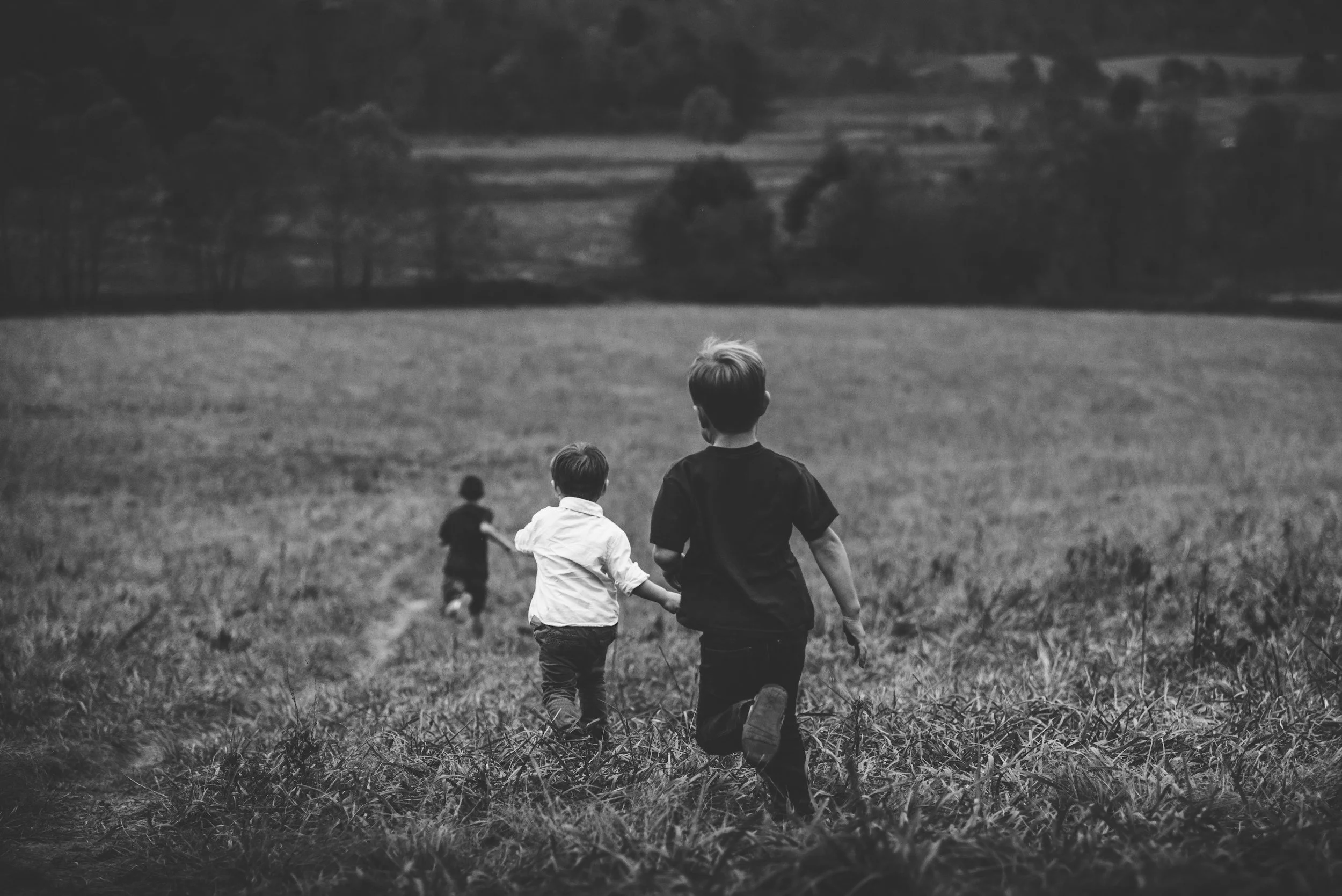
Childhood #1 — I Am a Child of God
When the apostle John outlines the pathway of discipleship in 1 John 2:12–14, he moves from the Infancy stage — with its focus on forgiveness — into the Childhood stage. This progression is both natural and necessary.
When we consider human development, growth from infancy into childhood brings visible change. We expect movement. We expect development. We expect increasing awareness.
A typical child moves from infancy into the toddler stage at around one year of age. Crawling gives way to standing. Standing becomes tentative steps. Simple gestures emerge — waving, responding to voices, recognising familiar faces. Words begin to form: “Mama,” “Dada,” and other early expressions. Curiosity increases. Exploration begins.
Growth becomes observable.
In the same way, spiritual childhood is marked by defining traits.
John identifies one central characteristic of this stage: children know the Father.
For John, this is the defining trait of a child in Christ — a growing desire to know the Father, to experience God as Father.
This is relational language.
This is not about knowing facts about God. It is about knowing Him.
At the baptism of Jesus in Gospel of Matthew 3:13–17, the Father declares over His Son, “This is My beloved Son, in whom I am well pleased.” This declaration comes before Jesus performs any public ministry. It precedes miracles. It precedes teaching. It precedes sacrifice.
It is not a valuation based on performance.
It is a declaration grounded in relationship.
Identity before activity.
This is what John emphasises in the Childhood stage of discipleship. The believer begins to understand not only that they are forgiven, but that they are loved — deeply, securely, relationally — by the Father.
The growing disciple starts to live from sonship, from daughtership, not for approval.
So, what do we do as disciple-makers at this stage?
We help disciples experience God as Father.
Notice the emphasis: experience.
This is relational. It is experiential. It is not merely academic. It is not simply accumulating information about God. It is learning to relate to Him as Father.
Good parents provide.
They protect.
They guide and guard.
They shape identity. They give names. They create environments for growth. They lift us when we fall. They nurture. They correct. They love consistently.
The Fatherhood of God forms the foundation of spiritual childhood.
Over the coming weeks, we will explore what it means both to be a child of God and to disciple others through this vital phase of discipleship.
Reflection Questions
1. Do I relate to God primarily as Judge, Provider, Authority — or truly as Father?
2. Am I living from approval, or striving for approval?
3. In what areas of my life do I need to more fully embrace my identity as a beloved child of God?
4. As a disciple-maker, how intentionally am I helping others experience the Fatherhood of God relationally rather than merely teaching them information about Him?
Take a few quiet moments this week to consider how secure your spiritual identity really is.
Closing Prayer
Father God,
Thank You that through Christ I am not merely forgiven — I am adopted. Thank You that my identity is rooted not in performance, but in relationship.
Teach me to know You as Father — to trust Your provision, rest in Your protection, and receive Your love.
Where I strive for approval, bring me back to sonship, to daughtership. Where I doubt Your affection, remind me that I am Your beloved child.
Help me also to disciple others in a way that reveals Your heart as Father. May those I walk with learn not only truth about You, but relationship with You.
In Jesus’ name, Amen.
Call to Action
This week, practice relating to God intentionally as Father. When you pray, begin with “Father” — and pause long enough to reflect on what that truly means.
If your discipleship of others, ask them what it means to them that God is Father. Listen carefully. You may discover that helping them heal or deepen here will unlock growth in every other area.
This blog was written by Richard Botta.